The Reign of Henry III
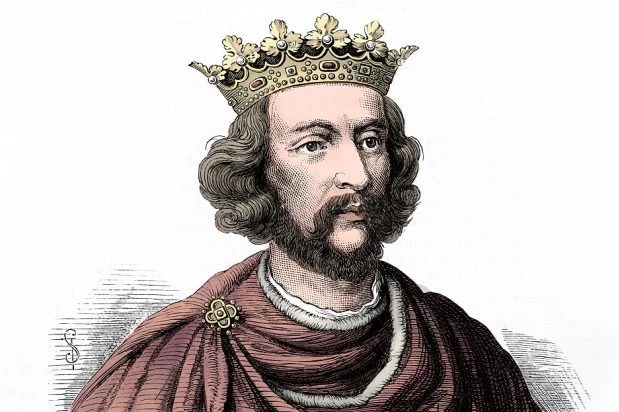
Henry III, also known as Henry of England, was a significant figure in English history. He reigned as the King of England from 1216 until his death in 1272. His reign was marked by several key events and developments, including political struggles, religious conflicts, and efforts to centralise royal authority.
Henry III was born on October 1, 1207, in Winchester, Hampshire, England. He was the eldest son of King John of England and his wife, Isabella of Angoulême. At the time of Henry’s birth, his father’s reign was plagued by conflicts and tensions, both within England and with external powers such as France. Consequently, Henry’s early years were marked by political instability and uncertainty.
When Henry was only nine years old, his father, King John, died. As a result, young Henry ascended to the throne, becoming the King of England in 1216. Due to his young age, Henry’s rule began under the regency of William Marshal, one of the most respected and influential knights of the time. Marshal’s guidance and leadership were instrumental in stabilizing the kingdom and securing Henry’s position.
During the early years of his reign, Henry faced numerous challenges, including the ongoing conflict with France and internal disputes within the English nobility. One of the most significant events of this period was the First Barons’ War, a rebellion led by a group of powerful barons who sought to limit the king’s authority and protect their own interests. The conflict culminated in the signing of the Magna Carta in 1215, which established certain rights and liberties for the English nobility and laid the foundation for constitutional governance in England.
The struggle for power between the king and the barons continued throughout Henry’s reign. Although Henry made attempts to assert his authority and expand royal control, he often faced opposition from the barons and other powerful figures. This resulted in a series of conflicts and negotiations aimed at maintaining a delicate balance of power.
Religion also played a significant role during Henry III’s reign. The country was predominantly Catholic, and Henry was a devout Catholic himself. He was a devoted patron of the Church and supported various religious institutions and projects. One of the most notable initiatives was his extensive renovation of Westminster Abbey, a project that lasted for several decades and transformed the abbey into a magnificent Gothic structure.
Despite his religious piety, Henry’s relationship with the Church was not without tensions. His efforts to appoint his own candidates to key ecclesiastical positions often clashed with the interests of the Pope and the clergy. These conflicts sometimes led to strained relations with the Church hierarchy, and Henry faced criticism and resistance from some members of the clergy.
In addition to his religious pursuits, Henry was also interested in the arts and culture. He was known for his patronage of literature, architecture, and the visual arts. The king surrounded himself with scholars and artists, and his court became a center of intellectual and artistic activity. Henry’s interest in the arts left a lasting impact on English culture, and his patronage helped foster a vibrant artistic scene during his reign.
One of the defining features of Henry III’s rule was his efforts to centralize royal authority and strengthen the monarchy. He sought to consolidate his power by establishing a more efficient administrative system and reducing the influence of the nobility.