
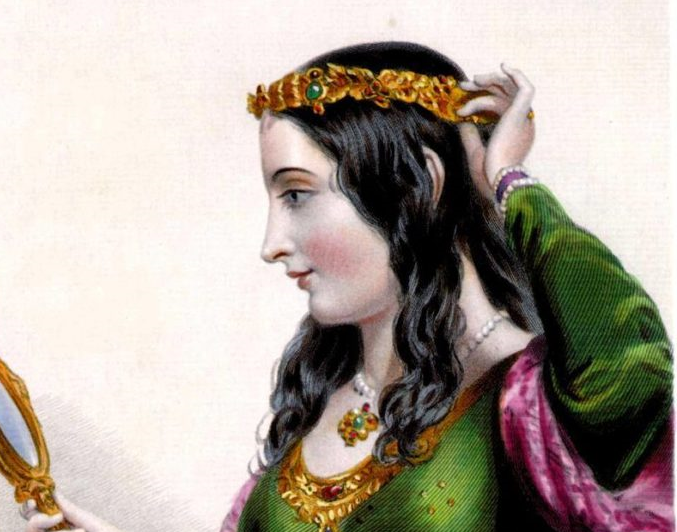
King Henry III – Personal life
Henry III, the King of England from 1216 to 1272, was known for his numerous wives throughout his life. While his reign was marked by political turmoil and challenges, his marriages played a significant role in shaping his personal life and his reign as a monarch. In this essay, we will explore the women who were married to Henry III, their backgrounds, and the impact they had on his reign.
Henry III’s first wife was Eleanor of Provence, whom he married in 1236. Eleanor was born in 1223, the second eldest daughter of Ramon Berenguer IV, Count of Provence, and Beatrice of Savoy. The marriage between Eleanor and Henry was arranged as a part of a political alliance between England and Provence.
Despite their arranged marriage, Henry and Eleanor developed a strong bond and had five children together, including Edward I, who would later become one of England’s most renowned kings.
Eleanor was known for her strong influence over Henry and played an active role in the political affairs of the kingdom. She was known for her intelligence and diplomacy, often acting as a mediator between Henry and his barons during periods of unrest. Eleanor also played a significant role in cultural and artistic patronage, introducing French culture and fashion to the English court.
Unfortunately, Eleanor’s influence and her perceived favouritism towards her French relatives were met with resentment from the English nobility. This led to tensions and conflicts within the kingdom, further exacerbating the political challenges Henry faced during his reign. Nevertheless, Eleanor remained a loyal and devoted wife to Henry until her death in 1291. Her passing deeply affected Henry, who was known to grieve her loss for many years.
After Eleanor’s death, Henry III remained unmarried for several years until he married his second wife, Isabella of Angoulême, in 1236. Isabella was a young and beautiful French noblewoman, born in 1188, and already a widow when she married Henry. She had previously been married to John, King of England’s son and heir, who passed away in 1216.
Isabella’s marriage to Henry III was seen as a political move to strengthen alliances with the French nobility. However, their marriage was not as successful as Henry’s previous one. Isabella was known for her temperamental nature and was often involved in disputes with the English nobility. Her strong-willed personality clashed with Henry’s more reserved and diplomatic nature, leading to tensions within their marriage.
Despite the challenges, Isabella did bear four children during her marriage to Henry, including two sons who died in infancy. However, her influence over Henry’s reign was limited, and her marriage was marked by political instability and infidelity. Henry is known to have had several mistresses during his marriage to Isabella, further straining their relationship.
Isabella’s marriage to Henry III ended in 1245 when she was granted an annulment on the grounds of consanguinity. After their separation, Isabella returned to France and lived the rest of her life in relative obscurity. Her marriage to Henry III was marked by political difficulties and personal clashes, highlighting the challenges faced by medieval royal couples.
After his annulment from Isabella, Henry III remained unmarried for several years until he married his third wife, Eleanor of Provence’s cousin, Eleanor of Castile, in 1254. Eleanor of Castile was born in 1241 and was the daughter of Ferdinand III of Castile and Joan, Countess of Ponthieu. She was known for her beauty, intelligence, and piety.
Eleanor of Castile’s marriage to Henry III was a successful one, marked by love and devotion. She bore Henry a total of sixteen children, although many of them died in infancy. Eleanor was actively involved in the administration of the kingdom, accompanying Henry on his travels and supporting his political endeavours.
One of Eleanor’s most significant contributions to Henry’s reign was her influence over his architectural projects. She played a pivotal role in the construction of the iconic Eleanor Crosses, a series of twelve memorial crosses erected in honour of her late mother-in-law, Eleanor of Provence. These crosses served as a symbol of Eleanor’s devotion to her husband and the memory of her mother-in-law.
Eleanor of Castile’s death in 1290 deeply affected Henry, who was known to grieve her loss for many years. He ordered the construction of several elaborate monuments in her memory, including the famous Eleanor Crosses and the tomb at Westminster Abbey, where she was laid to rest.
In conclusion, Henry III’s wives played a crucial role in his personal life and his reign as King of England. Eleanor of Provence, Isabella of Angoulême, and Eleanor of Castile each had their own unique influence and impact on Henry’s reign. While their marriages were not without challenges, they were significant figures in medieval English history, leaving a lasting legacy through their children and their contributions to the arts and culture of the time.